
Get Flood Damage Restoration in Utah County, UT
Flood damage restoration services for Utah County properties address water extraction, mold remediation, structural drying, and cleanup of affected areas.
Flood damage restoration services are essential for property owners in Utah County, UT who want to address the aftermath of unexpected water intrusion. These services help restore the structural integrity of a property, ensuring that floors, walls, and foundations are properly dried and repaired. By addressing water damage promptly, property owners can prevent issues such as mold growth, wood rot, and further deterioration, which can compromise safety and reduce the lifespan of building materials.
The benefits of professional flood damage restoration extend beyond immediate repairs. These services can enhance the comfort and safety of a property by eliminating hidden hazards like mold spores and weakened structures. Additionally, restoring the property’s appearance and functionality can boost curb appeal and overall durability, leading to reduced maintenance needs over time. Engaging experienced local contractors provides peace of mind that repairs are thorough, helping property owners maintain a safe, attractive, and resilient environment.
- Basement Flood Damage Restoration - needed when basement areas experience water intrusion due to heavy rains or plumbing failures.
- Residential Flood Cleanup - required after household floods caused by appliance leaks or sewer backups.
- Commercial Flood Damage Repair - necessary for businesses impacted by flooding events that disrupt operations.
- Emergency Water Extraction - essential when rapid removal of standing water is needed to prevent further property damage.
- Structural Drying Services - used when moisture has penetrated building materials after floodwaters recede.
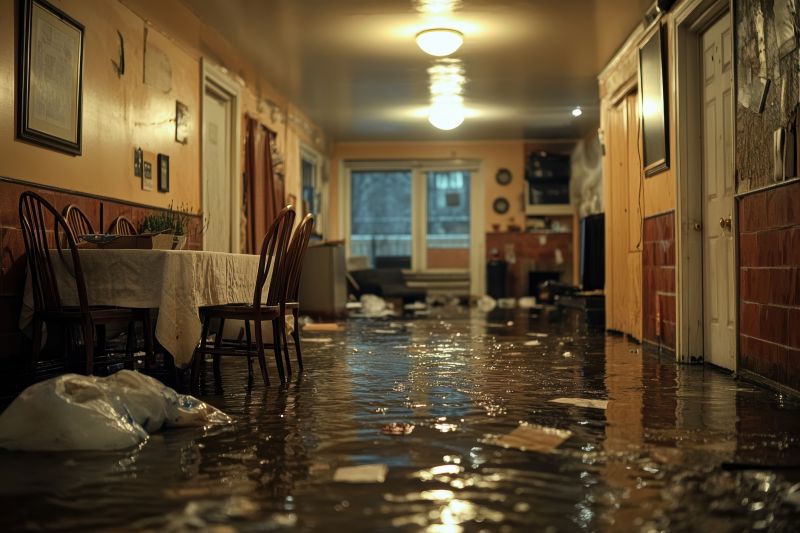
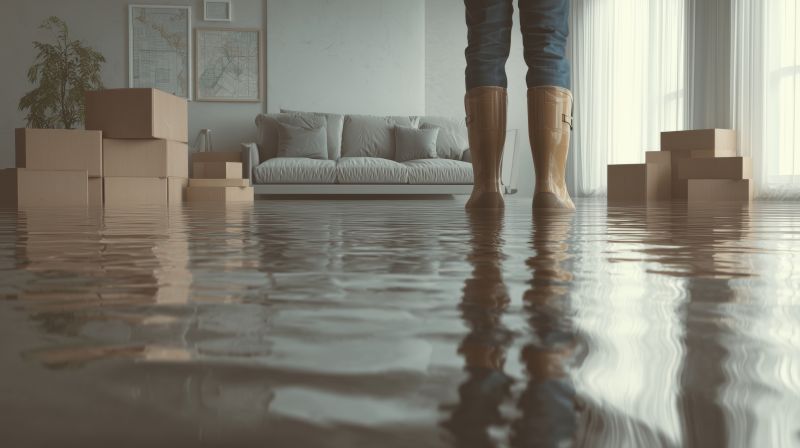
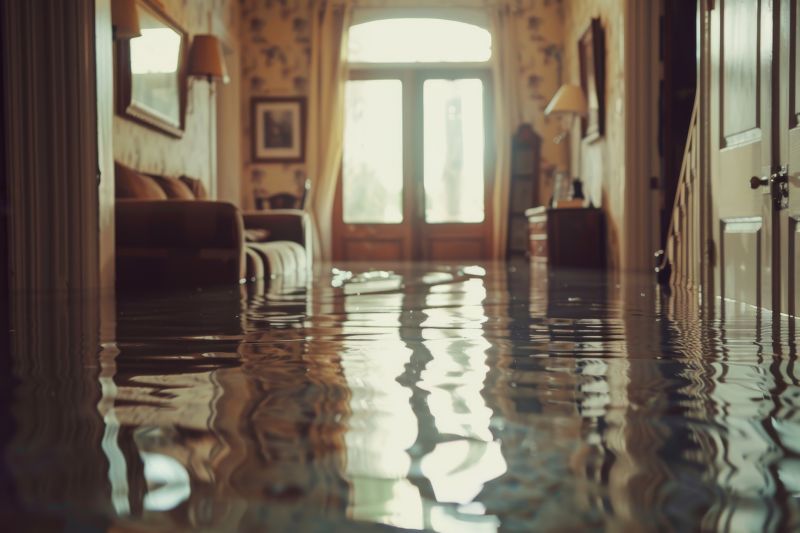
Flood damage restoration services involve the process of assessing, cleaning, and repairing properties affected by flooding events. These services typically include water extraction, removal of damaged materials, thorough drying, and sanitization to prevent mold growth and further deterioration. The goal is to restore the structure and interior to a safe and livable condition, minimizing long-term damage and reducing the risk of health hazards associated with contaminated water and mold.
Flooding can cause significant problems such as structural damage, mold growth, and compromised indoor air quality. Water intrusion can weaken building foundations, warp flooring, and damage drywall, insulation, and electrical systems. Restorers work to address these issues by removing water-damaged materials and implementing drying techniques. This helps prevent mold proliferation, which can pose health risks and lead to further property deterioration if not properly managed.
Properties that commonly utilize flood damage restoration services include residential homes, apartment complexes, commercial buildings, and industrial facilities. Homes in flood-prone areas often require immediate assistance to mitigate damage after heavy rains or natural flooding events. Commercial properties, such as retail stores or office buildings, also benefit from prompt restoration to resume operations quickly and avoid extensive downtime. Industrial facilities may need specialized services to handle large-scale water intrusion and contamination.
Engaging with local flood damage restoration professionals provides property owners access to experienced service providers equipped to handle various levels of flood-related issues. These specialists assess the extent of water intrusion, develop appropriate remediation plans, and execute cleanup and drying processes efficiently. Contacting qualified service providers ensures that properties are properly restored, helping to protect investments and maintain safe living and working environments after flood events.
The overview below groups typical Flood Damage Restoration projects into broad ranges so you can see how smaller, mid-sized, and larger jobs often compare in Utah County, UT.
In many markets, a large share of routine jobs stays in the lower and middle ranges, while only a smaller percentage of projects moves into the highest bands when the work is more complex or site conditions are harder than average.
Initial Damage Assessment - The cost for evaluating flood damage typically ranges from $200 to $1,000, depending on the extent of the affected area. This assessment helps determine the scope of restoration needed.
Water Extraction and Drying - Professional water removal services usually cost between $1,000 and $4,000. Larger or heavily flooded spaces tend to be on the higher end of this range.
Structural Repairs - Restoring damaged structures can vary widely, with costs often between $2,000 and $15,000 or more. Factors include the severity of damage and the size of the affected area.
Mold Remediation - Removing mold after flood damage typically costs from $500 to $6,000, depending on the extent of mold growth and affected materials involved in the cleanup process.
Actual totals will depend on details like access to the work area, the scope of the project, and the materials selected, so use these as general starting points rather than exact figures.
Basement Flood Cleanup - Local flood damage restoration specialists offer services to remove water and dry out basements affected by flooding incidents.
Storm Flood Recovery - Service providers assist in restoring properties impacted by severe weather events that cause flooding and water intrusion.
Water Damage Repair - Professionals address water-related damage to structures, including drying, dehumidifying, and repairing affected areas.
Flooded Flooring Restoration - Contractors provide solutions for restoring or replacing flooring that has been compromised by floodwaters.
Structural Drying Services - Local pros utilize specialized equipment to thoroughly dry building structures following flood damage.
Emergency Flood Response - Service providers respond promptly to urgent flooding situations to mitigate damage and begin restoration efforts.
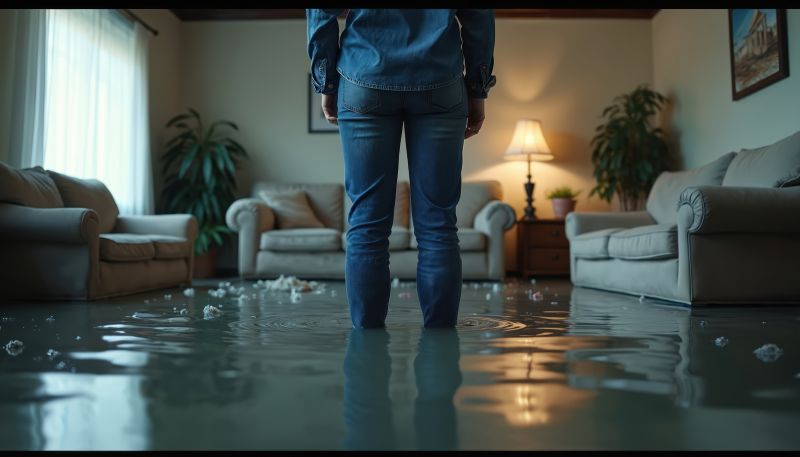
When selecting flood damage restoration professionals, it is important to evaluate their experience in handling water-related emergencies. Homeowners should inquire about how long a contractor has been providing flood restoration services and whether they have managed projects similar in scope and complexity. A reputable local provider will be transparent about their background and demonstrate a history of successful restorations, which can help ensure the work is performed competently and efficiently.
Clear communication and well-defined expectations are essential when working with flood damage restoration specialists. Homeowners should seek providers who can articulate their process, outline what to expect during the restoration, and clarify any responsibilities or preparations needed on the homeowner’s part. Establishing open channels of communication from the start can help prevent misunderstandings and ensure the project proceeds smoothly.
Reputable references and reviews from previous clients can offer valuable insights into a contractor’s reliability and quality of work. Homeowners are encouraged to ask for references or look for online reviews that speak to the contractor’s professionalism, timeliness, and workmanship. While the information below introduces local options, it is important to independently verify a provider’s reputation and ensure they have a track record of satisfying past clients, fostering confidence in the choice of a flood damage restoration service.
Property owners in Utah County, UT use Flood Damage Restoration services for practical projects around their homes and businesses. The sections below highlight everyday jobs and straightforward project options.
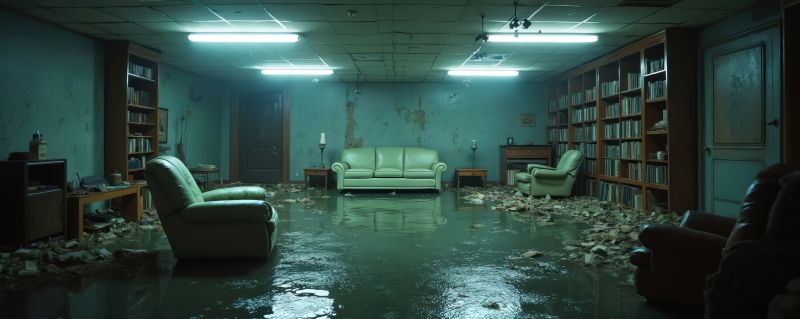
Flood damage restoration services are often sought after by property owners in Utah County following heavy rains, snowmelt, or plumbing failures that lead to water intrusion. When water seeps into basements, crawl spaces, or main living areas, it can cause structural issues, mold growth, and property damage if not addressed promptly. Local service providers are available to assess the extent of water damage, remove standing water, and begin the drying process to help prevent further deterioration.
Property owners may also look for flood damage restoration after incidents such as burst pipes or appliance leaks that result in significant water accumulation. These situations can compromise flooring, drywall, and personal belongings, making professional restoration services essential to restore the property's safety and integrity. Local contractors can assist with water extraction, drying, and cleanup efforts to mitigate ongoing issues and prepare the space for repairs.
What are the first steps after flood damage occurs? Contact a local flood damage restoration service to assess the extent of the damage and begin the cleanup process.
How do professionals handle water removal? They use specialized equipment to extract standing water efficiently and prevent further property damage.
Can mold develop after flood damage? Yes, moisture left behind can lead to mold growth, so prompt drying and cleanup are essential.
What types of drying methods are used? Restoration providers typically use industrial-grade dehumidifiers and air movers to thoroughly dry affected areas.
Is it necessary to replace damaged building materials? It depends on the severity of the damage; a professional assessment can determine if materials need to be replaced or salvaged.
Flood Damage Assessment - Professionals can evaluate the extent of water intrusion and identify affected areas to plan effective restoration strategies.
Water Extraction Services - Local service providers utilize specialized equipment to remove standing water quickly, reducing further damage.
Structural Drying and Dehumidification - Experts use industrial-grade drying tools to prevent mold growth and restore building integrity after flooding.
Mold Prevention and Remediation - Service providers address moisture issues to inhibit mold development and ensure a safe indoor environment.
Considering Flood Damage Restoration for a property in Utah County, UT? The sections above highlight common project types, practical options, and details that often shape the scope of work.
When you are ready, use the quote form to share a few details about your project. Local pros can review the basics and respond with options that match what you have in mind.